
Software-as-a-service billing is designed to be forgotten. Charges are small, monthly, and automatic, which is convenient right up until you add them together and realize a growing business is quietly paying for tools half the team stopped using months ago. A subscription audit, done once or twice a year, is one of the most direct ways to recover margin from digital operations without cutting anything the business actually relies on. It costs nothing but an afternoon, and it almost always pays for itself several times over.
This article lays out a practical audit you can run before your next round of renewals: how to surface every charge, decide what stays, right-size the plans you keep, and make sure a renewal never surprises you again.
Step One: Surface Every Recurring Charge
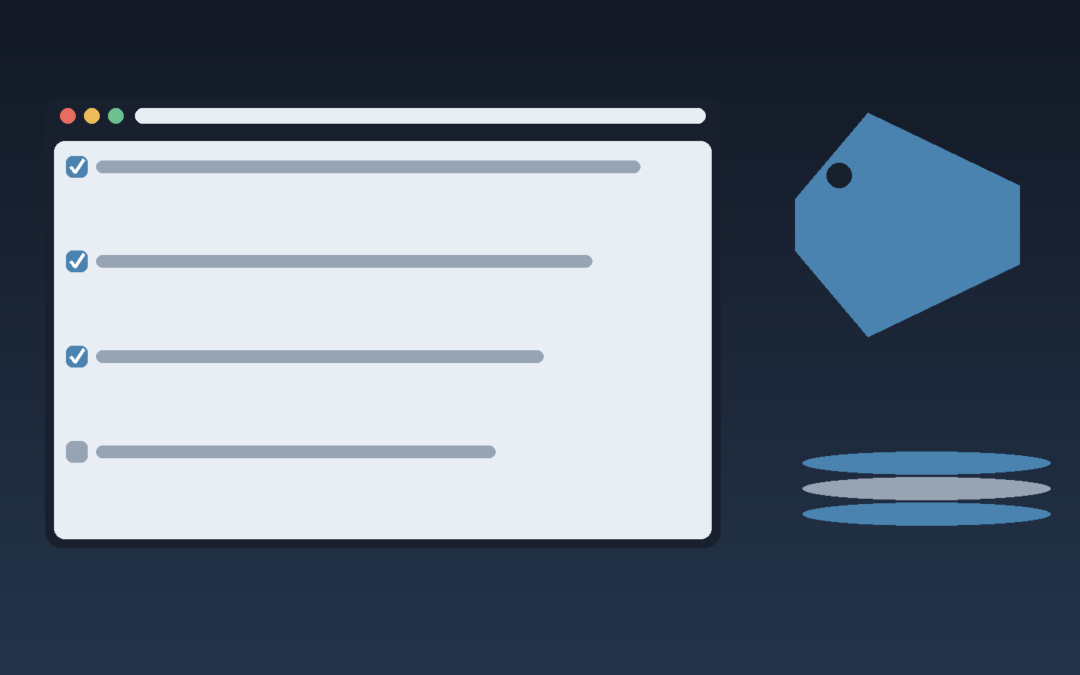
You cannot audit what you cannot see. Start by exporting the last three to six months of statements from every card and account the business uses to pay for software. Highlight every recurring charge and drop it into a single sheet with four columns: the tool, the monthly cost, the renewal date, and the person who owns it. This list is the entire foundation of the audit, and building it usually surfaces at least one charge nobody at the table recognizes.
Pay special attention to annual charges, because they hide well. A tool billed once a year does not appear on a monthly statement, so it is easy to forget it exists until it renews. Scanning a full twelve months of history catches these before they auto-charge for another year.
Step Two: Decide What Stays
With the list in front of you, judge each tool against a single test: does a live, recurring workflow depend on it? Sort every subscription into three buckets.
- Keep: tools tied to a workflow the business runs every week. These are safe, but they still get right-sized in the next step.
- Cut: tools nobody has opened in months, trials that converted silently, and second tools that duplicate something you already pay for.
- Investigate: tools you are unsure about. Ask the owner whether it is load-bearing before the renewal date, not after.
The cut bucket is where the immediate savings live. Duplicate storage services, an extra video app left over from a suite migration, seats assigned to people who have moved on, these come off the books with no operational cost at all.
Step Three: Right-Size What You Keep
Cutting dead subscriptions is the obvious win; trimming the survivors is the quieter one. Most SaaS tools are billed per seat and per tier, and both tend to drift upward over time. Match seat counts to people who actually log in, and question whether each tool is really on the tier its usage justifies.
If a customer-conversation tool is on the renewal list, separate the software subscription from any setup, monitoring, or maintenance service. Use the chatbot service scope checklist to record who maintains approved answers, handles staff handoff, and owns the work after setup. Compare those responsibilities with the contract before renewing or removing a service; a low monthly price does not show which tasks are included. This related guide is from Messenger Bot, part of our publisher network.
The collaboration suite is often the biggest single line and the easiest to over-buy, because the higher tiers are marketed as the sensible default. Many teams sit comfortably on the entry business plan, which already covers custom-domain email, documents, storage, and video. If your suite subscription is up for renewal, it is worth checking whether a current google workspace discount code applies to the plan you are renewing or downgrading to, so the tool you keep is priced as sharply as the ones you cut. Right-sizing the plan you were going to pay for anyway is found money.
Step Four: Put Renewals on a Calendar
The reason subscriptions creep is that renewals happen silently. Fix that structurally. For every tool you keep, add a calendar reminder a week before its renewal date, assigned to the owner. That one week of warning converts an automatic charge into a deliberate choice: renew, downgrade, or cancel. A shared renewal calendar is the single most effective defense against next year’s audit finding the same waste all over again.
Make It a Habit, Not a Panic
The businesses that keep software spend under control do not run a dramatic cost-cutting exercise once a year in response to a scary invoice. They run a short, calm audit on a schedule, treat it as routine digital-operations hygiene, and keep the master subscription list current between reviews. The aim is not to spend as little as possible; it is to make sure every dollar of software spend maps to work the business genuinely does, priced at the tier that work requires.
Taking the time to cost out Workspace for the year helps clarify whether those recurring monthly charges truly align with your current operational footprint. Getting a clear picture of user seats and storage usage ensures that you only pay for the capacity you actually need. Rather than letting renewals happen automatically, scheduling regular audits allows your business to adjust its infrastructure thoughtfully and keep your budget in balance.
Frequently Asked Questions
How often should a business audit its SaaS subscriptions?
Once or twice a year is enough for most, ideally timed just before major renewal dates so any cut or downgrade takes effect before the next charge.
What is the fastest way to find wasted software spend?
Export several months of statements, list every recurring charge with its owner and renewal date, and flag anything nobody has used recently or that duplicates another tool.
How do we stop the same waste returning next year?
Keep a shared subscription list and add a calendar reminder a week before every renewal, so each charge is a deliberate decision rather than an automatic one.
Disclaimer: This article is provided for general informational purposes only and does not constitute professional financial, accounting, or technical advice. Confirm current pricing and terms with each vendor before making changes.

0 Comments